
Organic Fertilizers – Nature’s Way to Nourish Growth
We believe that healthy soil is the foundation of sustainable farming. Our range of organic fertilizers and animal/vegetable-based manures are carefully sourced and processed to enrich the earth naturally. Designed to support both conventional and modern farming practices, our products improve soil fertility, enhance crop yields, and promote long-term ecological balance. By offering eco-friendly solutions at fair and reasonable prices, we empower farmers worldwide to cultivate healthier harvests while protecting the environment for future generations.


Organic Fertilizers – Nature’s Way to Nourish Growth
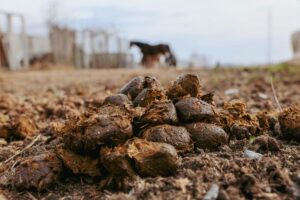
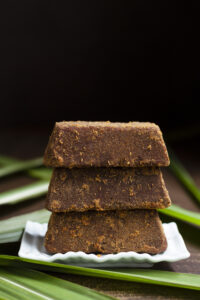
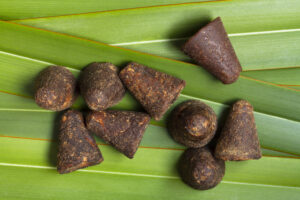
Cow dung is one of the most traditional and effective organic fertilizers used in agriculture for centuries. It is rich in essential nutrients like NPK (Nitrogen, Phosphorus and Potassium), along with beneficial microorganisms that enhance soil vitality.
| Comparison of organic vs chemical fertilizer uses | ||
| Aspects for consideration | Organic Fertilizers | Chemical Fertilizers |
| Soil Health | Improves over time with natural inputs | Degrades with prolonged chemical use |
| Nutrient Supply | Slow, balanced, and sustainable | Quick release but leads to nutrient depletion |
| Crop Quality | Natural taste, higher nutritional value | May lack natural flavor and nutrient density |
| Environmental Impact | Eco-friendly, supports biodiversity | Causes soil and water pollution |
| Health Impact | Free from harmful residues | Risk of pesticide and chemical exposure |
| Sustainability | Long-term enhanced productivity | Short-term gains, long-term damage |
| Global Demand | Rapidly increasing | Gradually declining preference |
How Organic Fertilizers Help Plant Growth
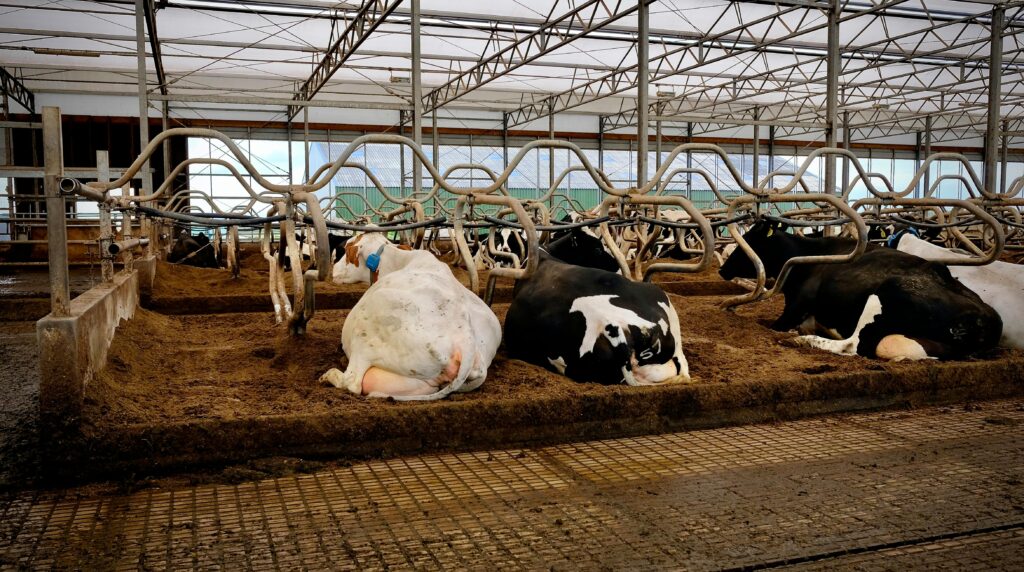
Cow dung offer multiple long-term benefits
- Improves Soil Structure
- Enriches Soil Nutrients Naturally
- Boosts Microbial Activity
- Promotes Sustainable Farming
- Enhances Crop Quality
Health Benefits of Organically Grown Produce
Crops grown using organic fertilizers are not only better for the environment but also for human health
- Chemical-Free Nutrition
- Higher Nutritional Value
- Better Taste & Freshness
- Supports Long-Term Wellness
- Environmentally Responsible Choice
Organic Grains & Agricultural Products
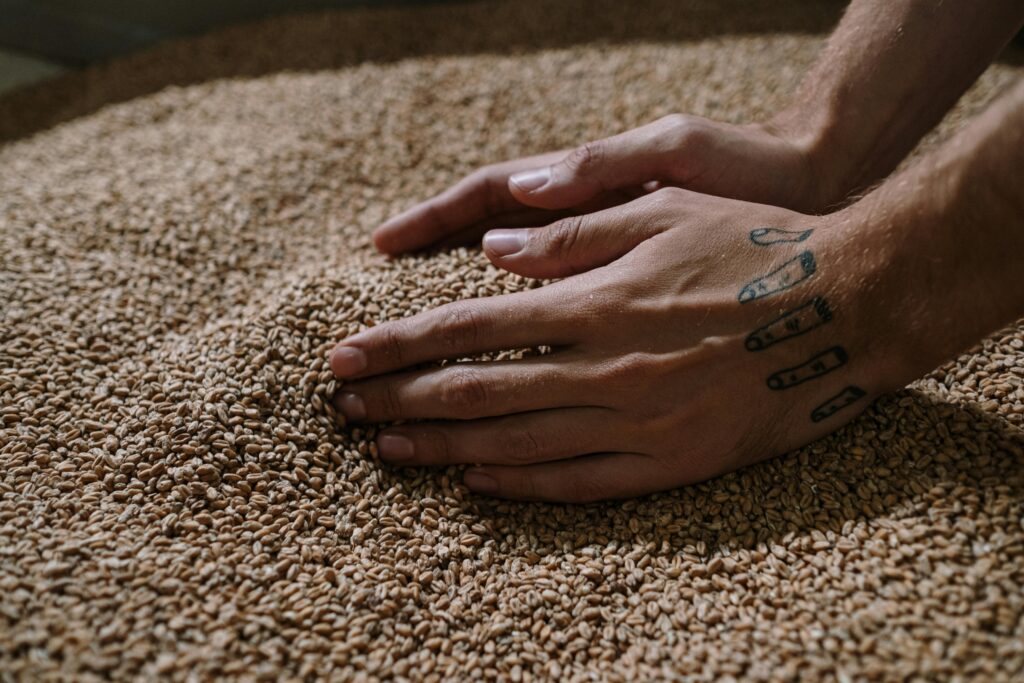
Organic grains cultivated using natural fertilizers retain their authentic taste, purity, and nutritional richness.
These products are increasingly preferred because of for their
- Superior quality and safety standards
- Absence of chemical residues
- Compliance with international organic certifications
- Growing demand among health-conscious consumers
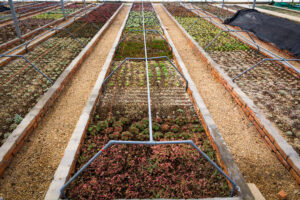

Conventional Farming vs. Modern Farming with Cocopeat
| Aspect | Conventional Farming (without Cocopeat) | Modern Farming (with Cocopeat |
| Soil Health | Relies heavily on chemical fertilizers, leading to nutrient depletion over time | Naturally enriches soil, improves fertility, and restores organic matter |
| Water Management | Higher water usage due to poor retention | Excellent water retention reduces irrigation needs |
| Root Development | Compacted soil limits aeration and root growth | Loose, porous medium promotes strong root systems |
| Environmental Impact | Chemical runoff harms ecosystems | Eco-friendly, biodegradable, reduces pollution |
| Crop Yield Quality | Short-term gains, long-term soil degradation | Sustainable yields with healthier, chemical-free produce |
| Suitability | Limited adaptability to hydroponics or modern techniques | Ideal for hydroponics, horticulture, and advanced farming |
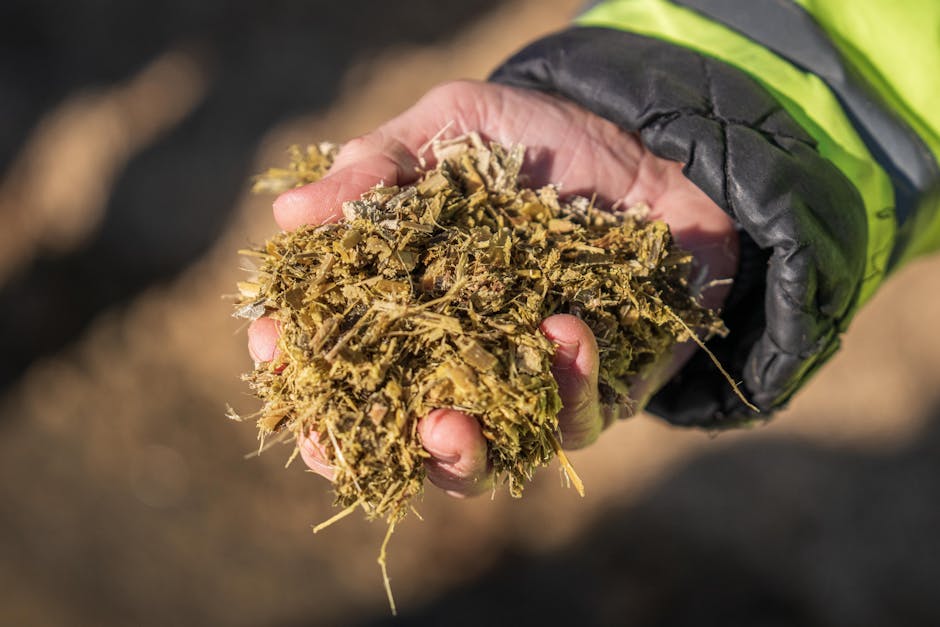
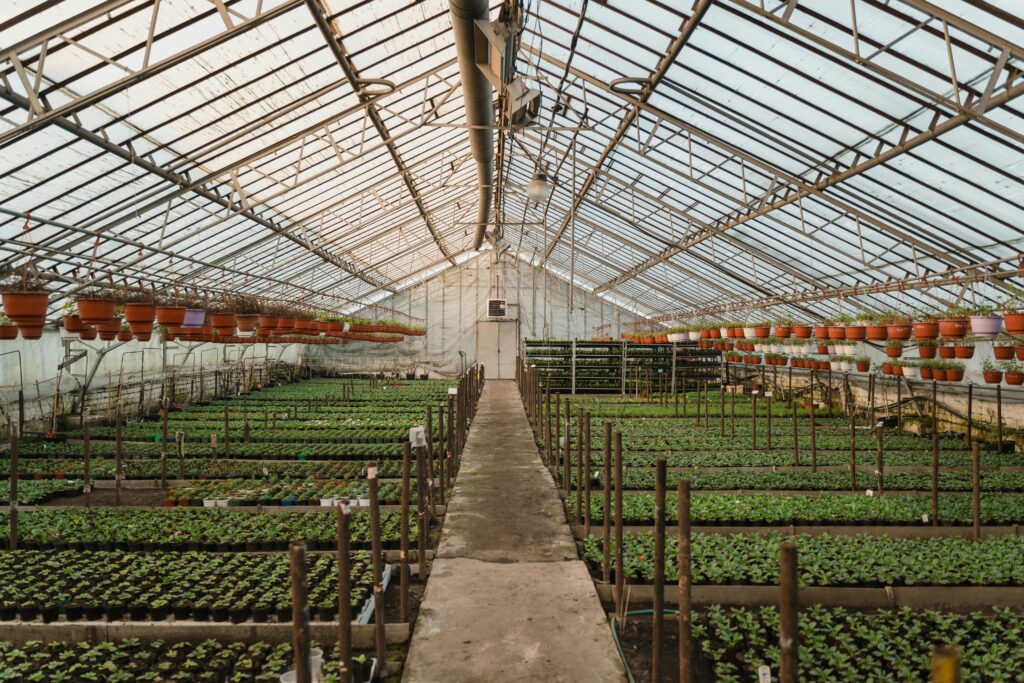
Cocopeat is highly versatile and suitable for
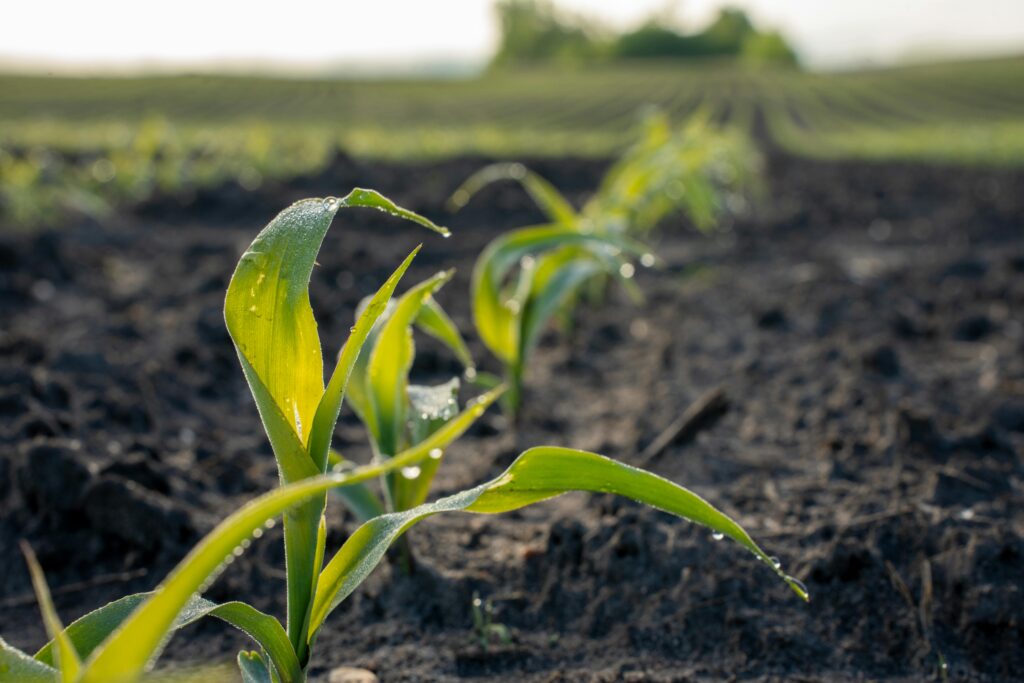
Cocopeat plays a key role in maintaining soil condition for continuous farming:

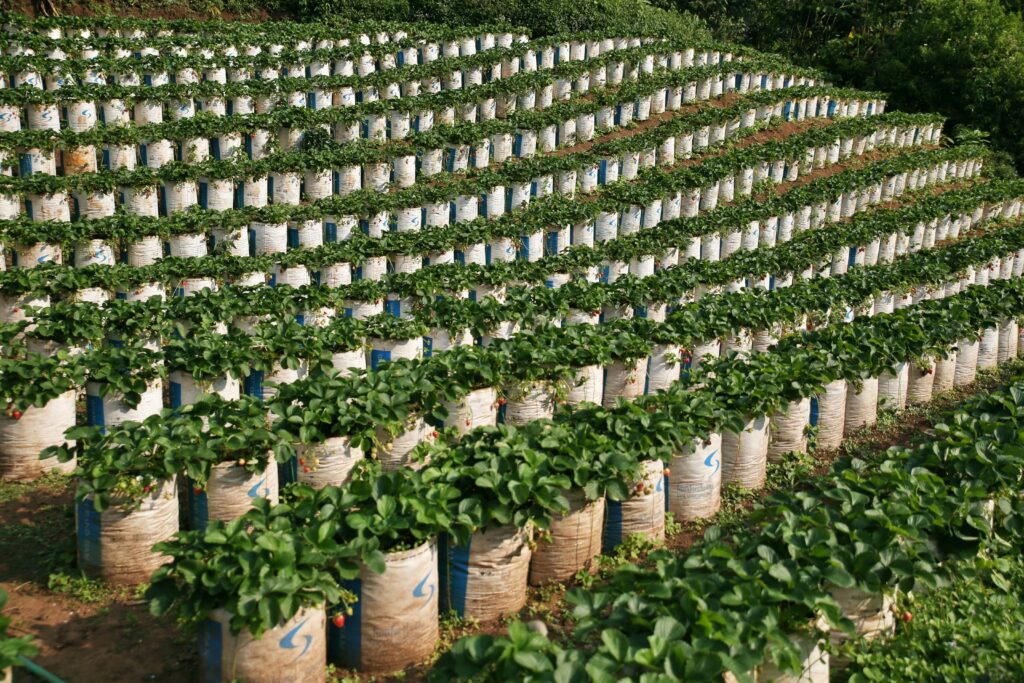

In hydroponic systems (where plants grow without soil), cocopeat acts as a in supportive growing medium

Soilless farming is a modern cultivation method where plants are grown without traditional soil, using inert substrates like cocopeat, perlite by providing water and nutrients directly to the roots.
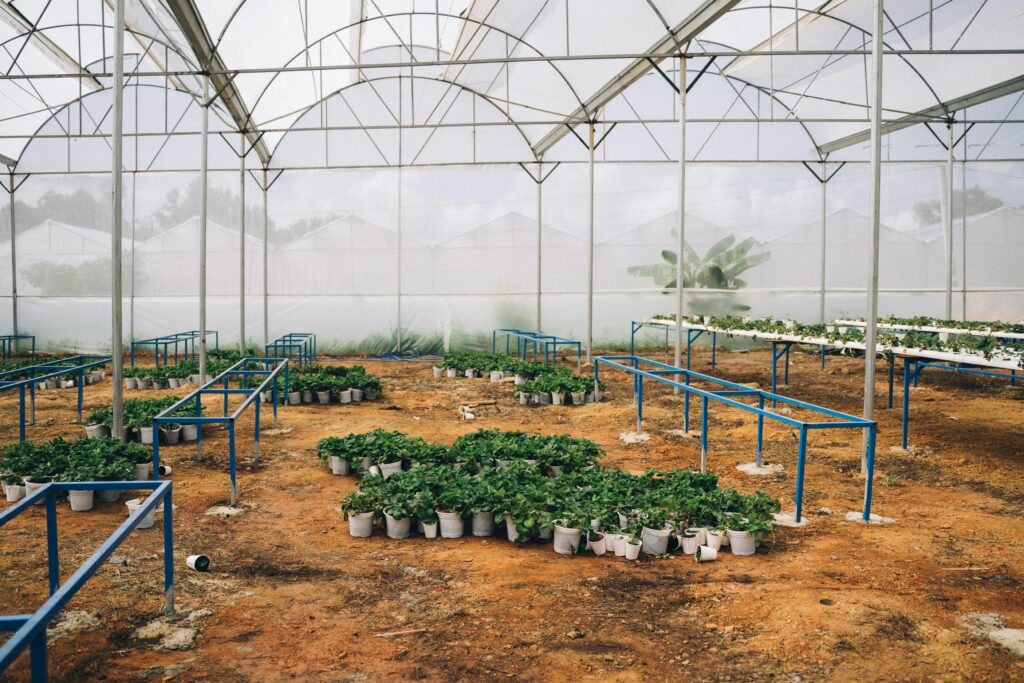
In controlled environments like greenhouses, cocopeat enhances productivity
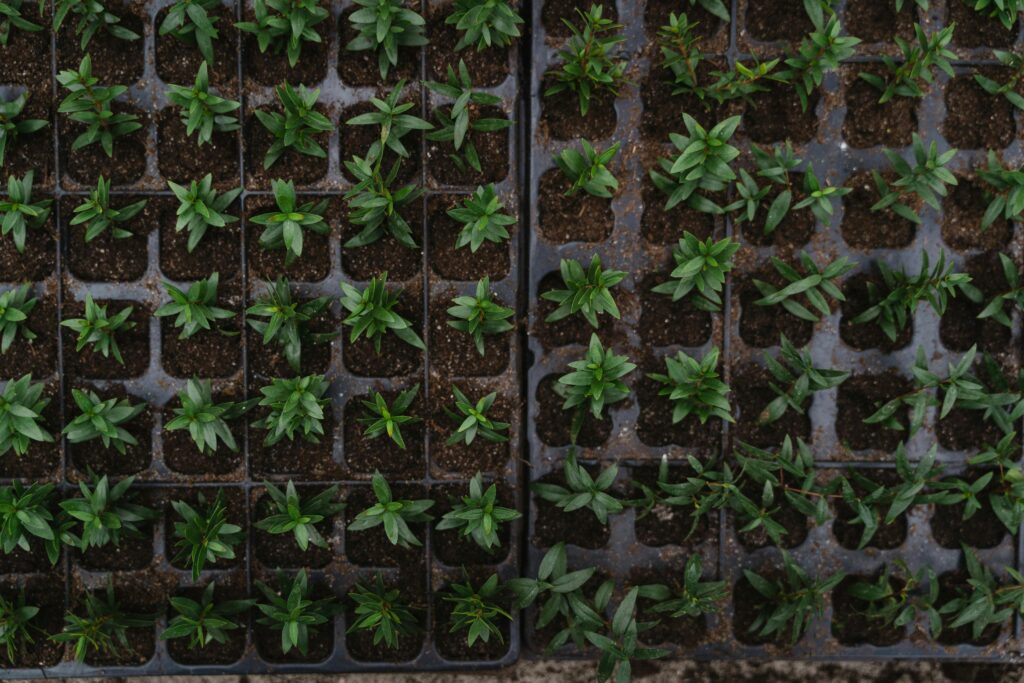
Cocopeat is highly effective for early-stage plant development
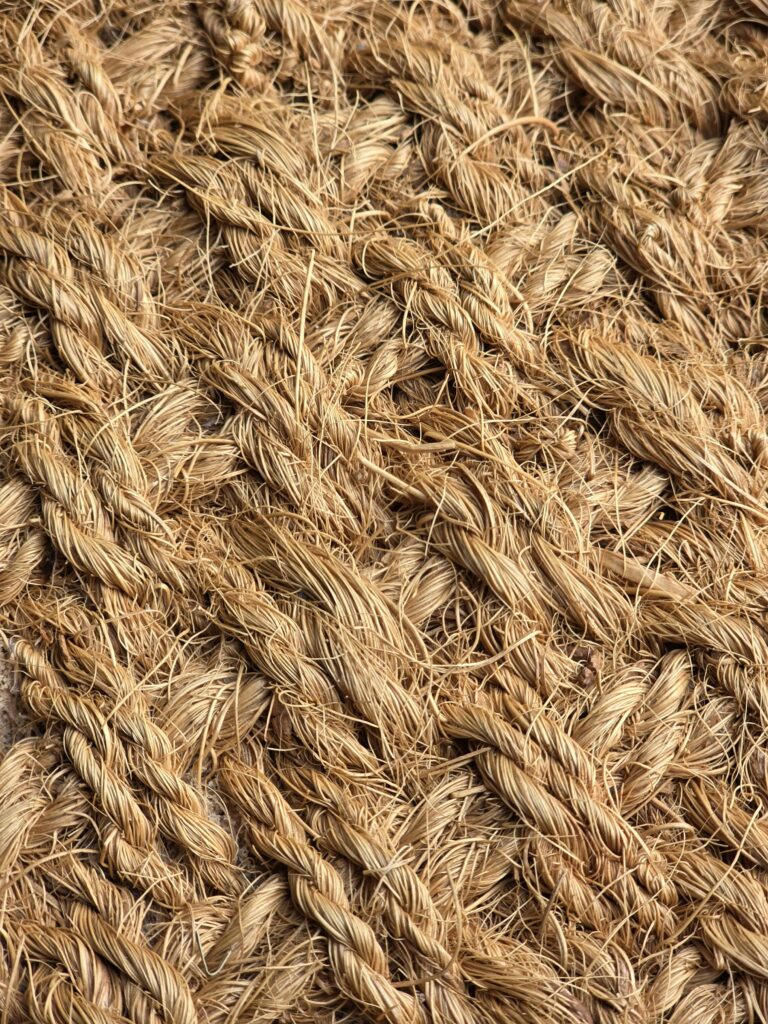
In controlled environments like greenhouses, cocopeat enhances productivity