Organic Fertilizers – Nature’s Way to Nourish Growth
We believe that healthy soil is the foundation of sustainable farming. Our range of organic fertilizers and animal/vegetable-based manures are carefully sourced and processed to enrich the earth naturally. Designed to support both conventional and modern farming practices, our products improve soil fertility, enhance crop yields, and promote long-term ecological balance. By offering eco-friendly solutions at fair and reasonable prices, we empower farmers worldwide to cultivate healthier harvests while protecting the environment for future generations.
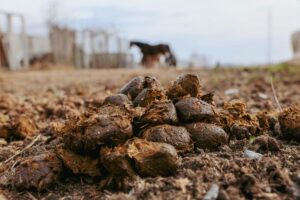
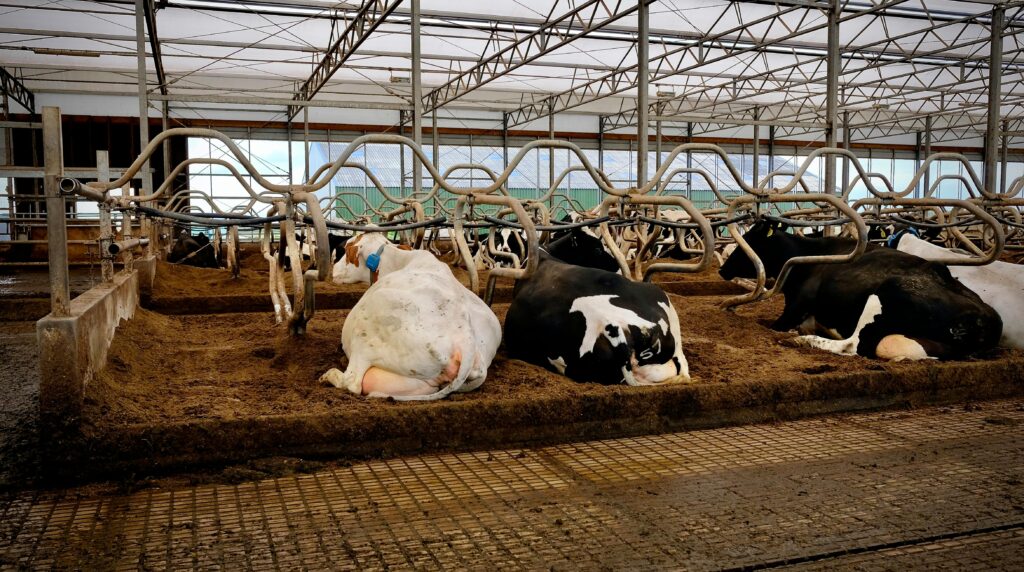
What is Cow Dung Fertilizer?
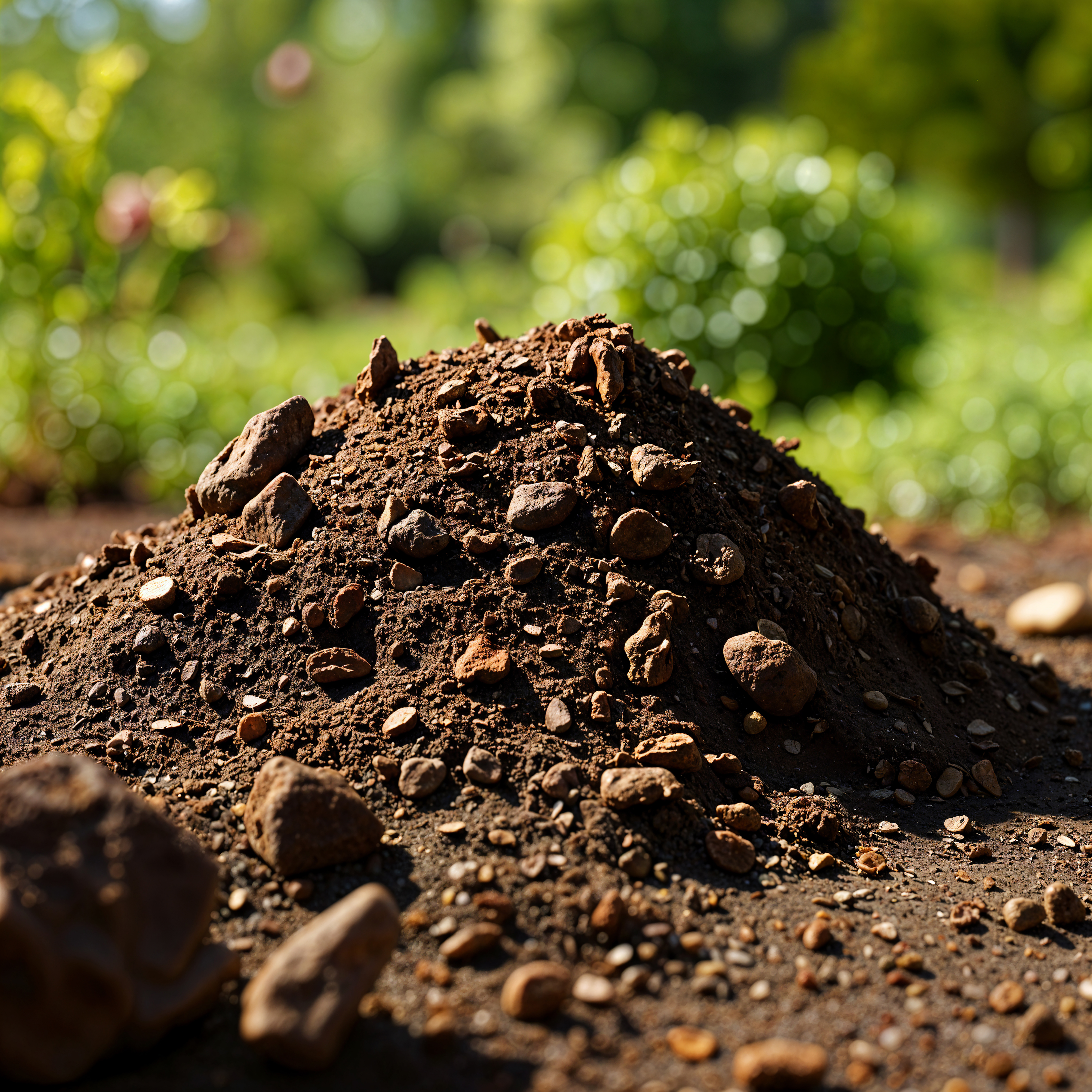
Cow dung is one of the most traditional and effective organic fertilizers used in agriculture for centuries. It is rich in essential nutrients like NPK (Nitrogen, Phosphorus and Potassium), along with beneficial microorganisms that enhance soil vitality.
Cocopeat – Sustainable Growing Medium for Modern Agriculture
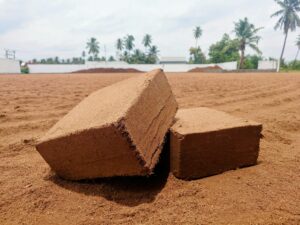
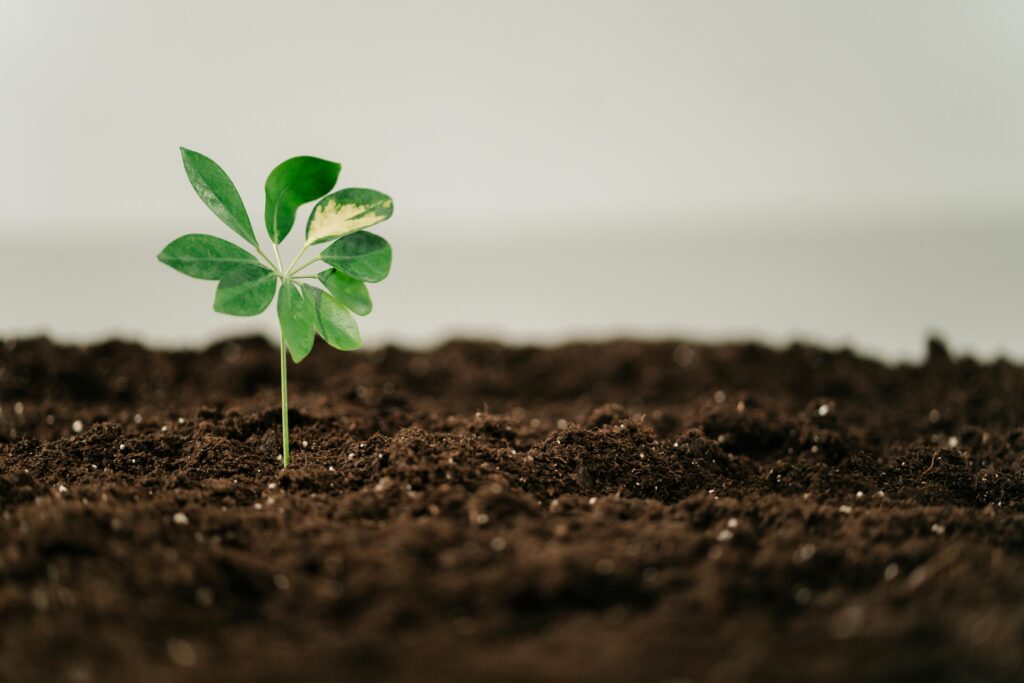
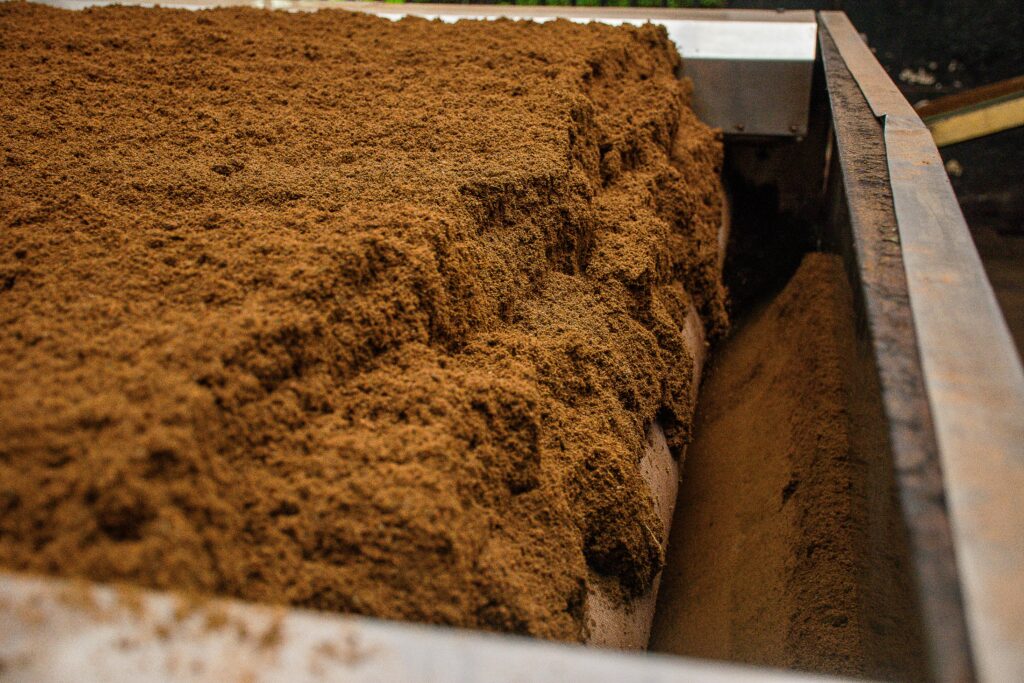
We bring high-quality Cocopeat, which is natural, eco-friendly by-products of mesocarp (husk) of coconuts, revolutionized farming practices worldwide. Known for their exceptional water retention, aeration, and biodegradability, they serve as sustainable alternatives to chemical-based soil conditioners. Cocopeat enrich soil health, reduce water consumption, and support both conventional and modern farming methods. By integrating these organic solutions, growers can achieve healthier crops while protecting the environment for future generations. Cocopeat is one of the most widely used growing media in modern farming systems, especially beyond traditional soil-based agriculture. Cocopeat is becoming very popular in the microgreens movement, especially among younger, health-conscious consumers. Microgreens are nutrient-dense, quick to grow, and visually appealing, which makes them a favorite in urban kitchens, restaurants, and wellness circles.
Ideal for All Farming Systems
Cocopeat is highly versatile and suitable for:
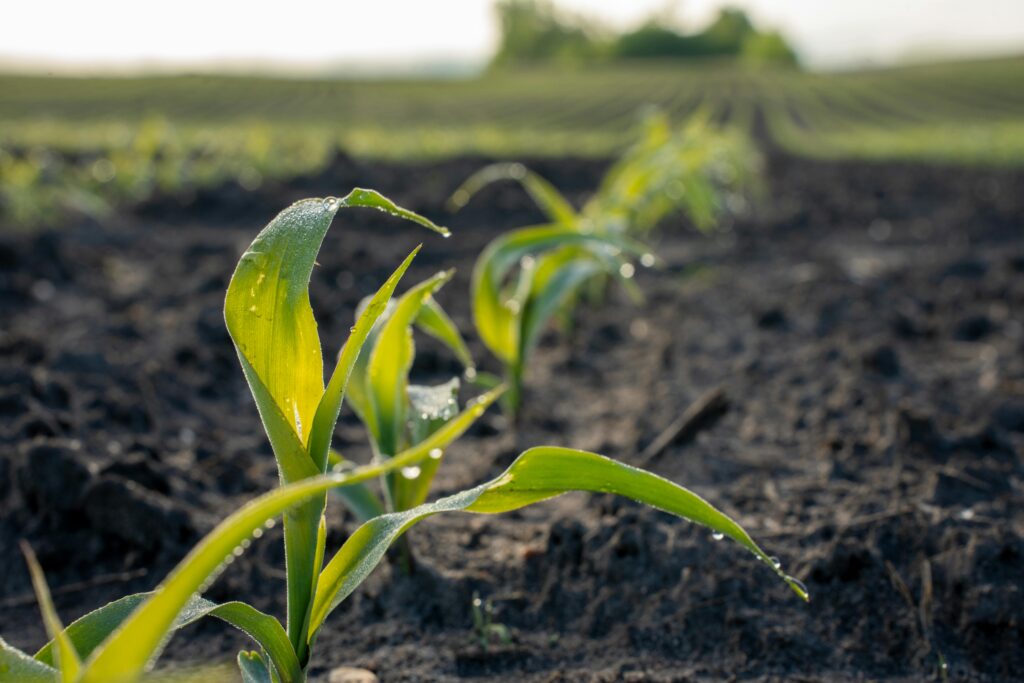
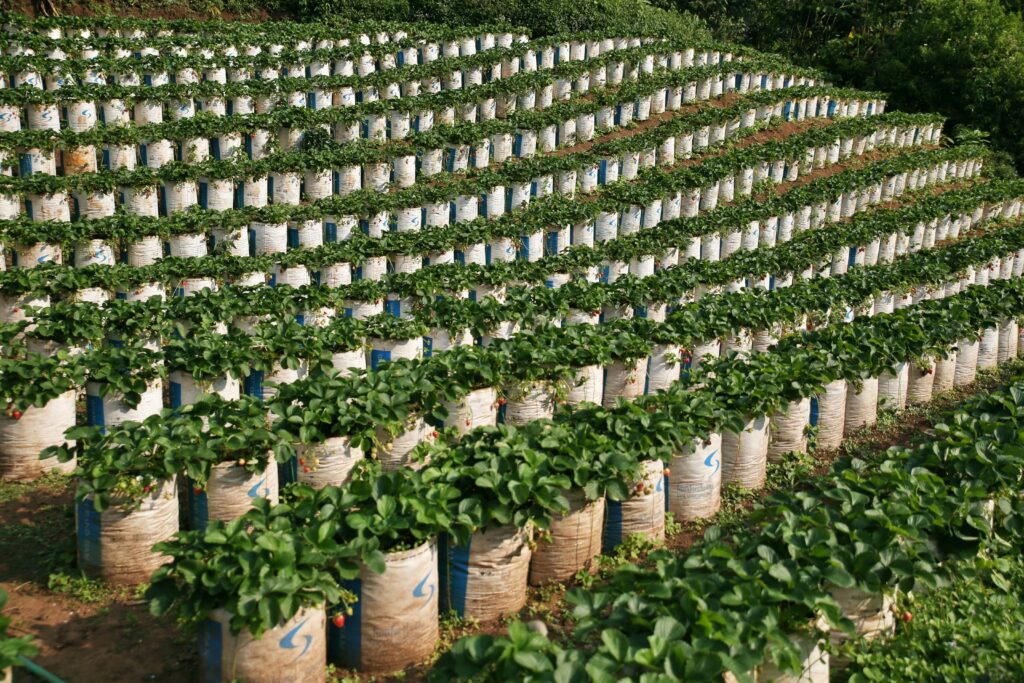
✔ Open field farming
✔ Greenhouse cultivation
✔ Hydroponics and soilless farming
✔ Nursery and seed germination
✔ Neutral pH & Low EC
✔ Maintains a balanced growing environment, ensuring better nutrient absorption and plant health.
✔ Reduces Fertilizer Usage
✔ Efficient moisture and nutrient retention helps in optimized fertilizer utilization, lowering input costs.
✔ Reusable & Long-Lasting
✔ Can be reused for multiple growing cycles with proper treatment, making it cost-effective for farmers.
Cocopeat in Advanced Farming Methods
Cocopeat is not limited to conventional farming—it plays a crucial role in modern, high-efficiency agricultural systems such as hydroponics, greenhouse cultivation, and soilless farming.
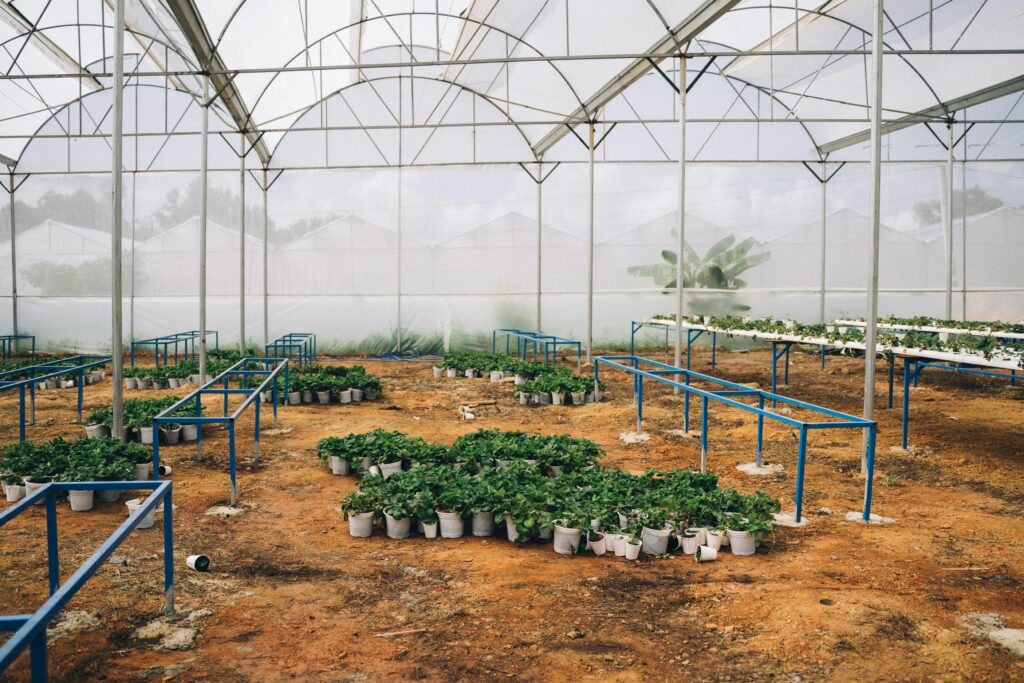
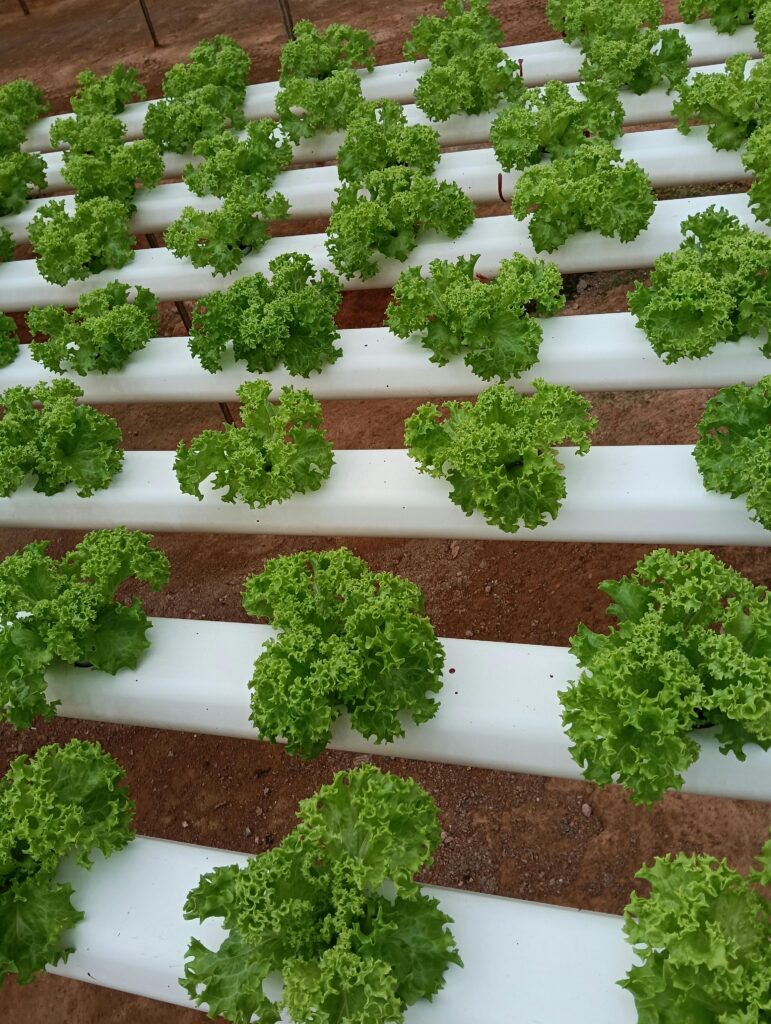
Soilless farming is a modern cultivation method where plants are grown without traditional soil, using inert substrates like cocopeat, perlite by providing water and nutrients directly to the roots.
Cocopeat in Soilless Farming
✔ where soil-related limitations are eliminated.
✔ Clean & Contamination-Free
✔ Free from soil-borne diseases, pests, and weeds.
✔ Consistent Growing Conditions
✔ Uniform texture ensures predictable and reliable crop performance.
✔ Better Yield Control
✔ Farmers can precisely manage nutrients and irrigation.
Coir Pith
Coir pith is spongy, fibrous dust derived from the coconut husk. Coir pith is the raw byproduct Mainly used in agriculture and horticulture. Physical properties include high porosity, lightweight, excellent water retention (can hold up to 8–10 times its weight in water). It is Loose, dusty, often contains salts and impurities. It may contain high sodium and potassium salts. It must be washed and buffered before use in ardening. Coir pith is also widely used in Bioplatics (biodegradable plastic alternative to petroleum-based plastics), biotechnology, energy and fuel applications, environmental, industrial and commercial sectors